Hidimba devi temple
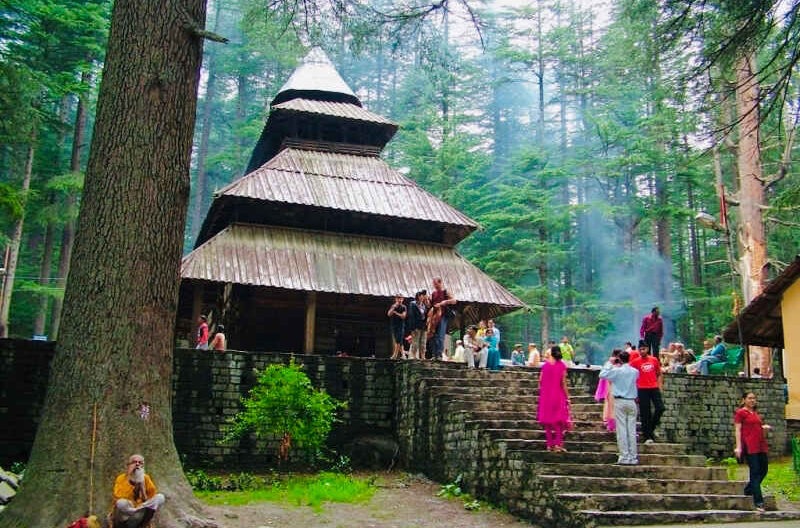
The Hidimba Devi Temple is a historic, 16th-century shrine in Manali, India, famous for its unique four-tiered wooden pagoda architecture and deep roots in Mahabharata mythology. It is dedicated to Hidimba Devi, the wife of the Pandava brother Bhima, and is set amidst a tranquil cedar forest
solang velly
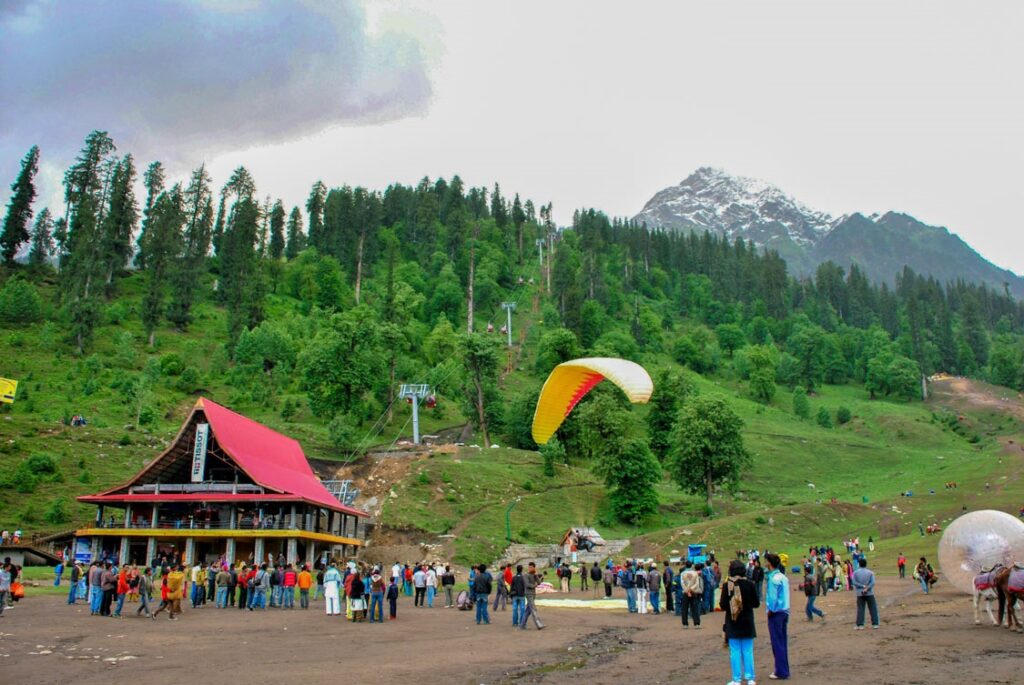
Located roughly 14 km from Manali at an elevation of 8,500 feet, Solang Valley is a year-round paradise that serves as the region’s premier adventure and nature hub. Its name is derived from the nearby Solang village and “Nullah,” meaning a water stream, reflecting its scenic landscape of lush green meadows and towering snow-capped peaks. During the winter months (December to February), the valley transforms into a major ski resort with thick snow perfect for skiing, snowboarding, and sledging. As the snow melts in summer (March to June), the activities shift to paragliding, zorbing, and ATV rides across its wide valley floor. Visitors can also take a 15-minute ropeway ride up to Mt. Phatru at 3,200 metres for panoramic Himalayan views or embark on famous treks like the one to Beas Kund. Accessible via a 30-minute drive from the main town, it is a bustling yet essential stop for anyone looking to experience the true adventurous spirit of the Himalayas.Key Details at a Glance:Distance: ~14 km from Manali Mall Road.Top Sports: Paragliding, Skiing, Zorbing, and Snowmobiling.Best Time: Dec–Feb for snow; Mar–June for air and land sports.Highlights: Solang Ropeway, Anjani Mahadev Temple Trek, and bird’s-eye views of the Beas River.
atal tannul
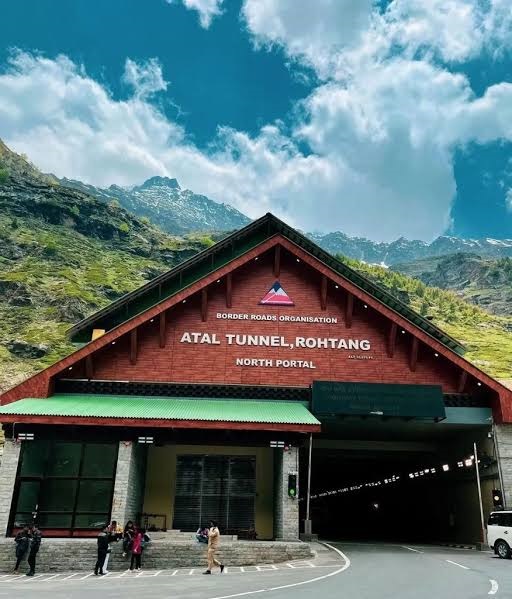
The Atal Tunnel, named after former Prime Minister Atal Bihari Vajpayee, is a 9.02 km engineering masterpiece that stands as the world’s longest highway tunnel above 10,000 feet. Carved through the Rohtang Pass in the Pir Panjal range, it provides all-weather connectivity between Manali and the Lahaul-Spiti valley, reducing travel time by nearly four hours. The tunnel is a major tourist attraction because it allows visitors to experience a dramatic change in landscape—from the lush green forests of Manali at the South Portal to the barren, snow-capped “cold desert” of Sissu at the North Portal—in just about 15 minutes. For safety, the tunnel features 4G connectivity, CCTV surveillance, and emergency exits every 500 metres, though stopping for photos or overtaking inside is strictly prohibited. Unlike Rohtang Pass, it requires no special permit, making it the most accessible way to reach deep snow and the scenic Sissu Lake throughout the year.
Rohtang pass
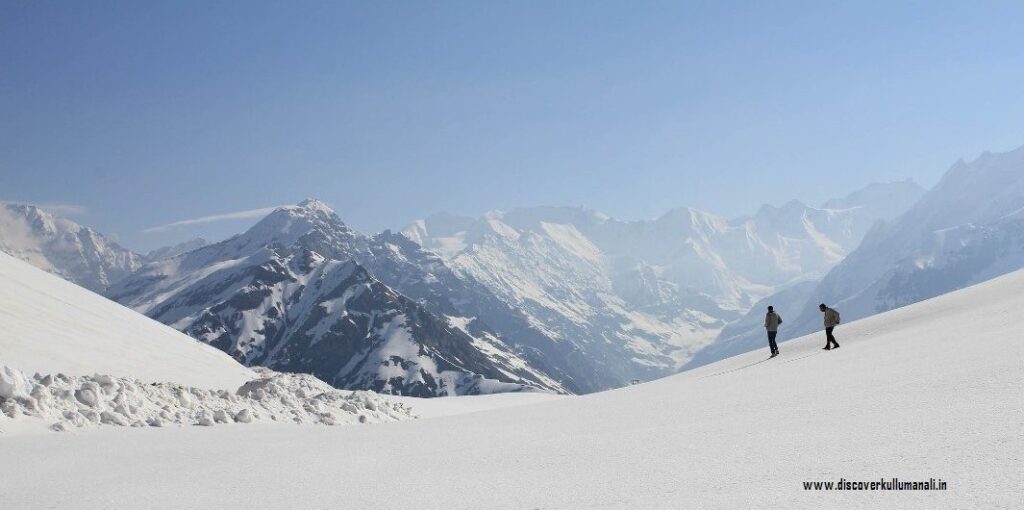
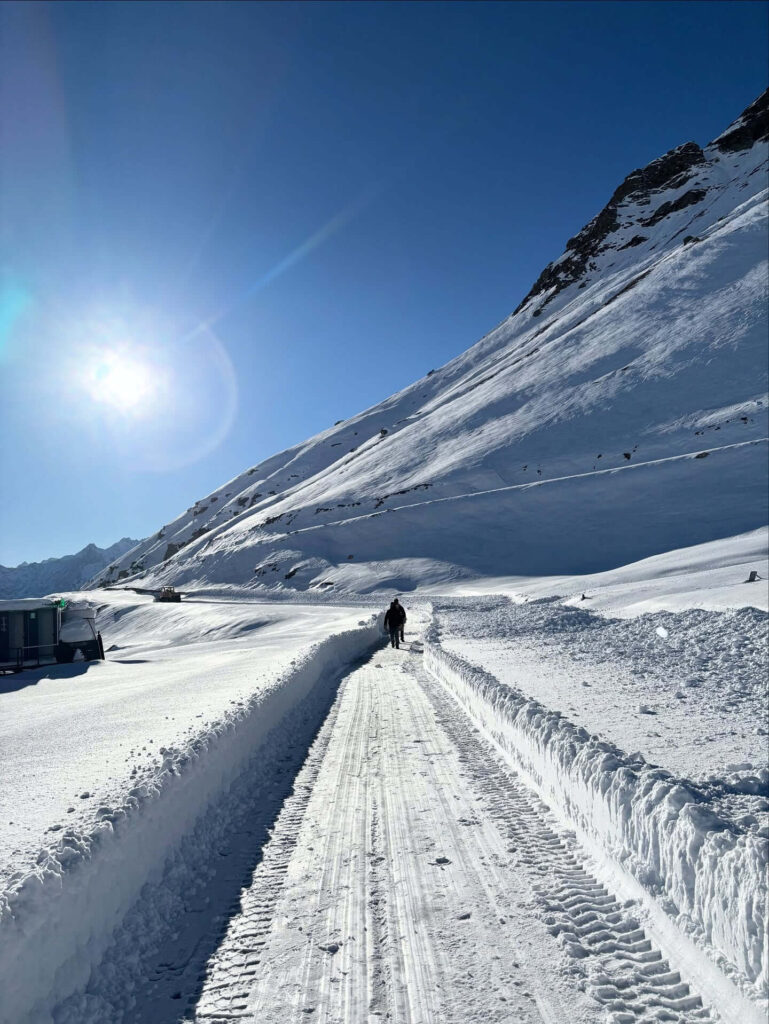
Rohtang Pass, situated at a staggering altitude of 13,050 feet, is a majestic mountain pass located about 51 km from Manali that serves as the gateway to the Lahaul and Spiti valleys. Open typically from May to November, it is world-famous for its year-round snow, massive 10-foot-high snow walls, and breathtaking views of the Pir Panjal mountain range. Visitors flock here for thrill-seeking activities like skiing, mountain biking, and sledging, or simply to witness the panoramic beauty of the Beas Kund, the source of the Beas River. Due to its fragile ecosystem, the National Green Tribunal limits the number of vehicles to 1,200 per day, making a government-issued permit mandatory for entry. Because of its popularity, it is best to start your journey as early as 4:00 AM to avoid heavy traffic and ensure you have enough time to enjoy the snow before the afternoon clouds set in.Quick Facts:Distance: 51 km from Manali (approx. 2–3 hour drive).Permit Fee: ₹550 for cars/bikes; booking opens 2 days in advance.Closure: The pass is closed every Tuesday for road maintenance.Altitude: 3,978 metres (warm clothing and basic mountain sickness precautions are recommended).
mall road
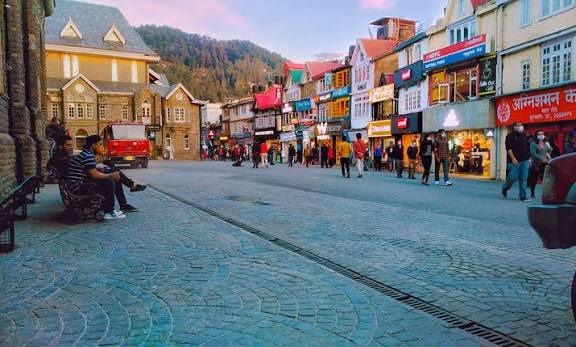
Mall Road is the vibrant social and commercial heart of Manali, serving as a bustling pedestrian-only thoroughfare where vehicles are strictly prohibited to ensure a safe, walkable experience. Lined with a wide array of local emporiums, department stores, and showrooms, it is the premier destination for purchasing authentic Himachali handicrafts, such as Kullu shawls, woolen caps, pashminas, and intricate Tibetan jewellery. Beyond shopping, the road is a culinary hotspot where visitors can sample local street food like Siddu (steamed stuffed bread) and momos, or relax in famous eateries such as Cafe 1986 and Dana Coffee House and German Bakery. The area comes alive in the evenings (4 PM – 9 PM) with festive lighting and a lively atmosphere, making it a perfect spot for an evening stroll after a day of mountain adventures
kullu
Kullu, widely known as the “Valley of Gods,” is a breathtaking town situated on the banks of the Beas River at an altitude of 1,220 metres, approximately 40 km before reaching Manali. It serves as the spiritual and administrative heart of the region, world-famous for its majestic apple orchards, ancient wooden temples, and the sprawling Dhalpur Maidan, where the iconic Kullu Dussehra festival is celebrated with grand processions. For adventure seekers, Kullu is the primary destination for white-water rafting through the thrilling rapids of the Beas and high-altitude paragliding in the nearby Dobhi area. Beyond the adrenaline, visitors flock here to trek to the sacred Bijli Mahadev Temple, known for its 60-foot lightning rod and panoramic valley views, and to shop for authentic, hand-woven Kullu shawls and caps at the historic Bhuttico weavers’ cooperative. Its lower altitude compared to Manali makes it a pleasant year-round destination and a vital transit hub, being home to the region’s only airport at Bhuntar
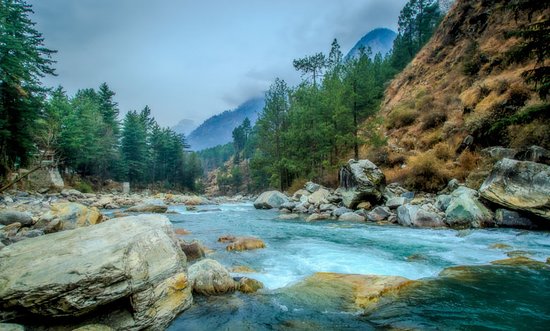
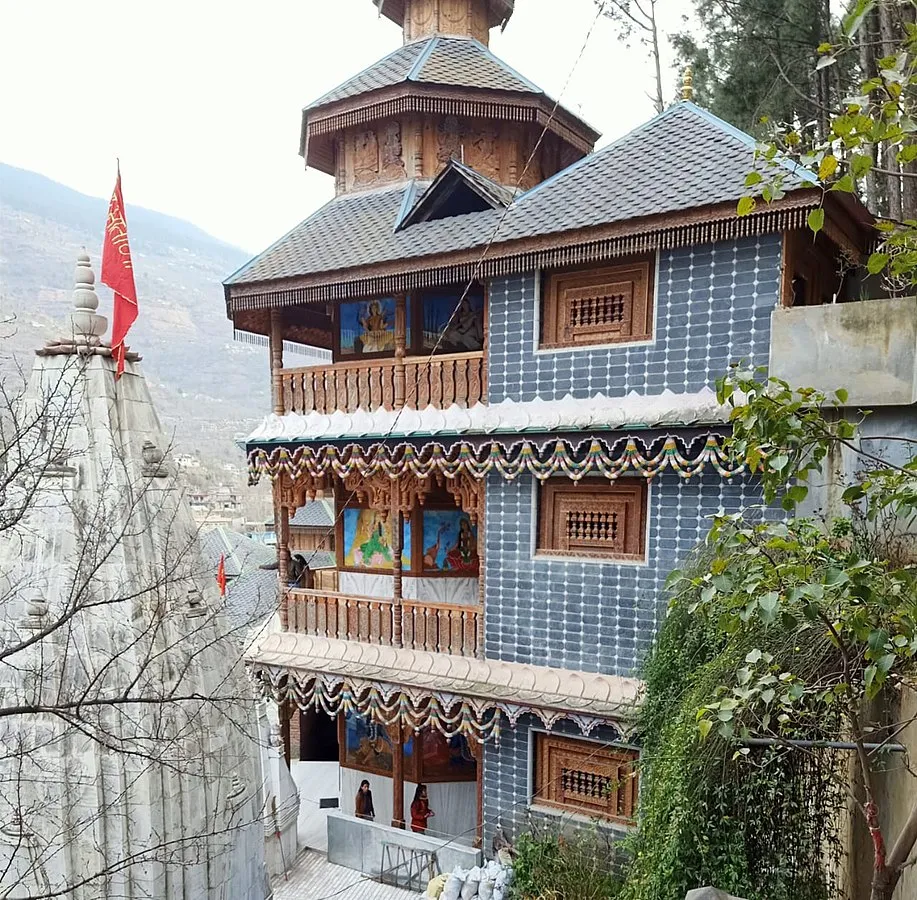
The Mata Vaishno Devi Temple in Himachal Pradesh, popularly known as Mahadevi Tirth, is a significant spiritual landmark situated on the banks of the Beas River along the Kullu-Manali highway. Established in 1966 by Swami Sewak Das Ji Maharaj, this magnificent multi-storeyed structure is crafted from wood and stone, serving as a primary pilgrimage stop for devotees in the Kullu Valley. Its most distinctive feature is a man-made cave (gufa) that replicates the experience of the original shrine in Jammu, requiring pilgrims to navigate a narrow passage to reach the sanctum of the Goddess. Beyond its religious importance, the temple is known for its hospitality, providing free Langar (meals) and Saraye (accommodation) to all visitors, all while offering breathtaking views of the surrounding Himalayan landscape
Manikaran Sahib is a prestigious pilgrimage site nestled in the Parvati Valley at an altitude of 1,760 metres, serving as a sacred confluence for both Sikh and Hindu devotees. This holy town, situated about 45 km from Kullu, is world-famous for its natural geothermal hot springs which are believed to possess healing medicinal properties for various ailments like rheumatism. According to Sikh tradition, Guru Nanak Dev Ji performed a miracle here by producing these hot springs to cook food for the needy, a practice that continues today as the Langar (community meal) is prepared using only the natural heat of the boiling water. For Hindus, the site is deeply connected to Lord Shiva and Goddess Parvati, who are said to have meditated here for over 1,100 years. The town’s name itself, “Manikaran,” originates from a legend where the Goddess lost a jewel (Mani) from her earring (Karan) in the river, which was later retrieved through the divine intervention of Sheshnag.